


Hormonal decline and brain bioenergetics
When sex hormones fall, brain cells lose part of what keeps their energy supply steady. We work out what fails first, and why it does not fail alike in women and men.
Read moreWomen's brain health · University of Limerick
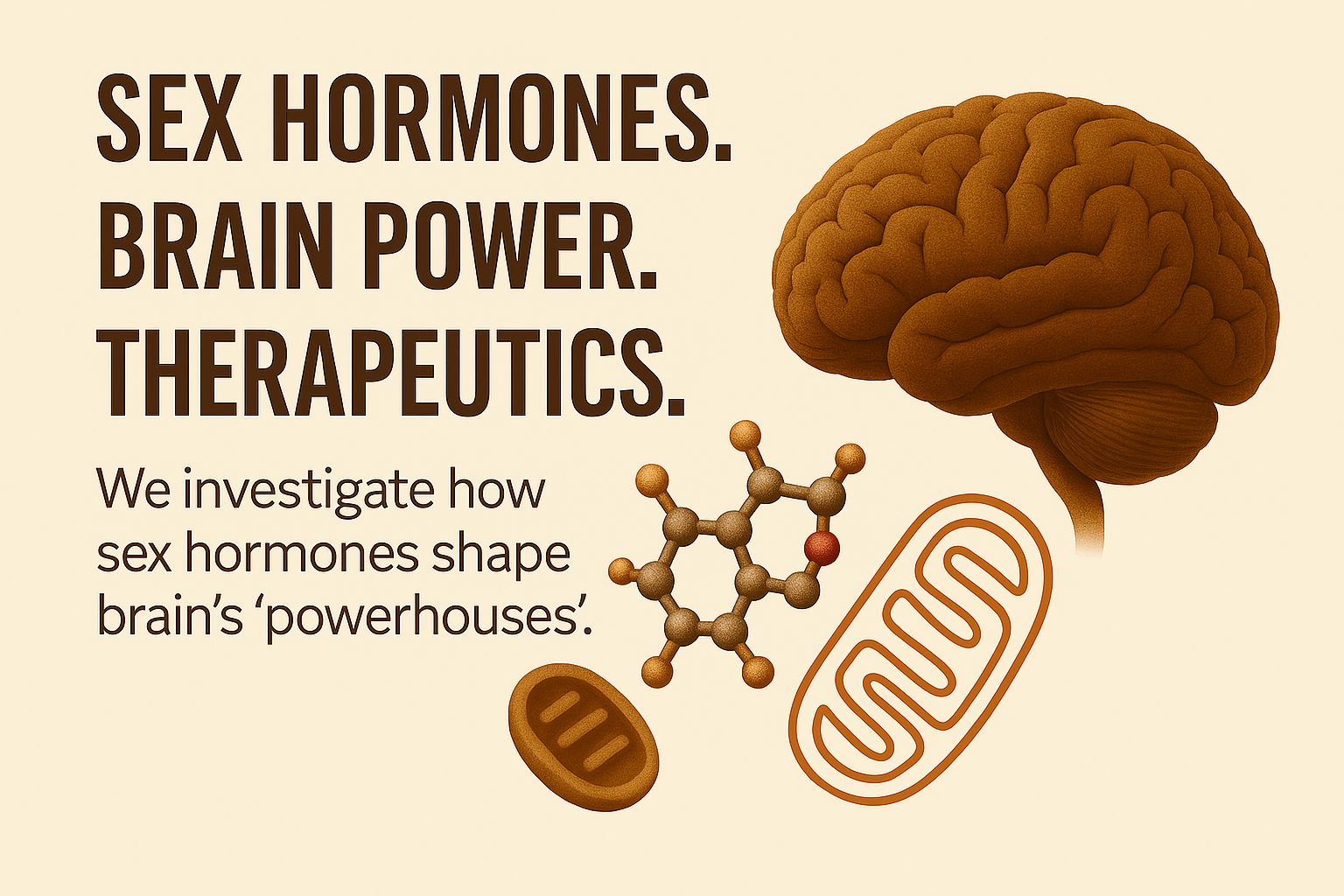
We are a neuroendocrine pharmacology laboratory studying the mitochondrial mechanisms behind sex differences in brain vulnerability, and turning them into ways to protect it.
Our work
Women are disproportionately affected by Alzheimer's disease, and the menopause transition reshapes the brain's entire hormonal environment. Understanding why sits at the heart of what we do.
Brain cells run on an enormous energy budget, and mitochondria are what manage it. Known as the powerhouse of the cell for producing ATP, they do considerably more, buffering calcium, regulating reactive oxygen species, and holding the switch between a cell's survival and its death. Androgens and estrogens, traditionally filed under reproduction, reach into all of it, and their levels decline across the lifespan. That decline is where we work.
We work in one cell in particular. Neurons get the attention, but they do not handle their own fuel. Astrocytes do. They wrap around the blood vessels, take up glucose as it arrives, hold the only sugar reserve the brain has, and pass fuel to the neurons that spend it. They also make estrogen themselves and carry receptors for it. So when hormonal support falls away, the astrocyte is where it lands first.
Hormones do not act on cells from a distance. Their receptors have been found inside the mitochondrion itself, which is useful to know when the mitochondrion is what we are trying to protect. Compounds that reach those receptors can hold an astrocyte together through a metabolic crisis that would otherwise kill it, and for some we can now say exactly how, down to the shape a molecule makes when it meets its receptor.
We go down to a single cell and measure its energy directly, rather than infer it.
We run male and female cells together, because a difference nobody looks for is a difference nobody finds.
We start from compounds women are already prescribed, because the shortest road from a mechanism to a patient runs through a pharmacy that already stocks it.

Research areas
When sex hormones fall, brain cells lose part of what keeps their energy supply steady. We work out what fails first, and why it does not fail alike in women and men.
Read more
A failing brain cannot be opened up and looked at. We look for the molecules that carry that signal into blood and brain, and for the ones a drug could act on.
Read more
A mechanism counts for nothing until it meets people. We work inside clinical and population studies, reading the biology behind the signals those studies pick up.
Read more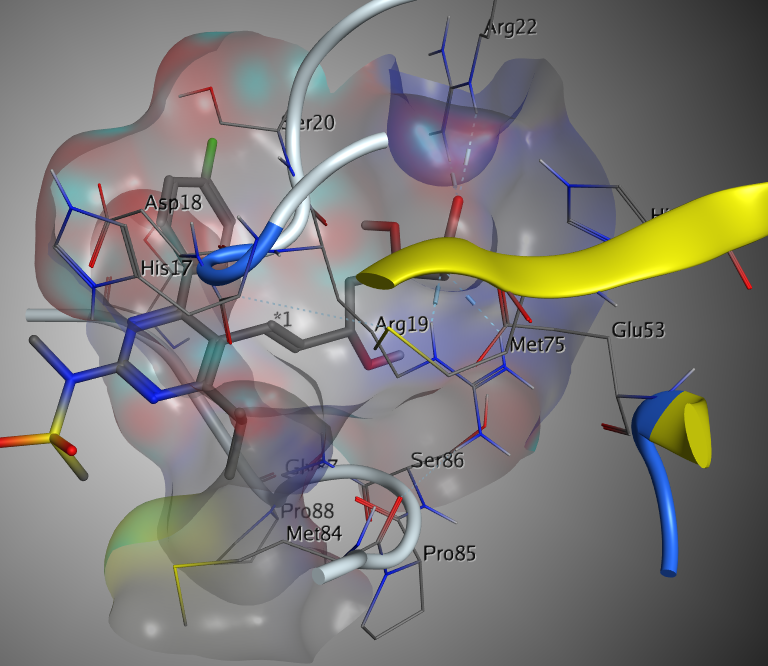
Understanding why a brain turns metabolically vulnerable is worth little unless it leads to protection. We turn targets into candidate drugs, including those women already take for menopausal symptoms.
Read moreTeam
A group working across wet lab, bioinformatics, and clinical translation, in Limerick and beyond.


